Learn Photoshop for textile design: repeat patterns, motifs, colourways and print-ready files.
Talk to our counsellor — choose the right course, batch time and mode.
Join at a CADD centre near you or online. You get your student login and ID card.
60 Hours of hands-on Photoshop For Textile Design classes — in the classroom or live online.
Exercises in every class and a final project, checked by your trainer.
Finish the course and get your course-completion certificate and a digital completion badge with your name.

Take the certification exam: a theory test and a practical task — at the centre or online.
Pass the exam and get the certified certificate with your marksheet. Anyone can check it online with its QR code.
Your certified badge — add it to LinkedIn and share it anywhere; it opens its own verify page.

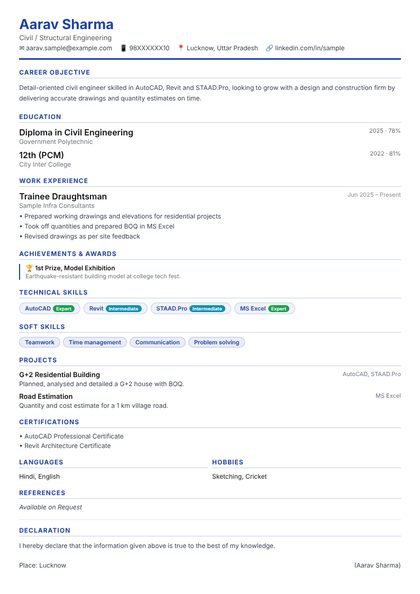
Make your CV in your student panel (Career → My CV) — your course, certificates and projects are added for you. Send it as a link with a preview picture, and apply to jobs and Hire Me requests from companies.
Adobe Photoshop is the leading image editing program, and in the textile industry it is the everyday tool for developing prints, motifs and fabric artwork. Textile mills, export houses, digital printing units, saree and dress-material manufacturers and home furnishing brands use it to paint designs, clean scanned artwork, build seamless repeats and prepare colourways before a single metre of fabric is printed.
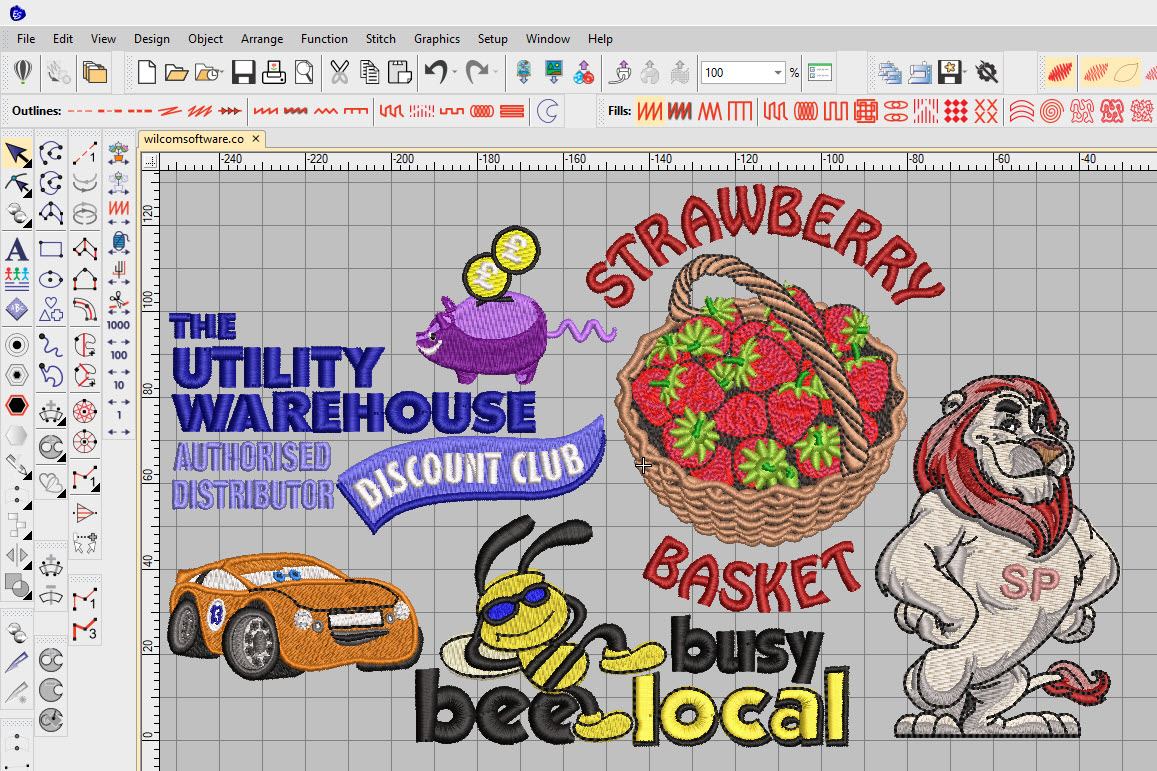
This 60-hour Photoshop for Textile Design course teaches layers, selections, masks, brushes and adjustment layers, then applies them to textile work: drawing and cleaning motifs, building straight, half-drop and brick repeats with the Offset filter and Pattern Preview, designing borders and pallu layouts for sarees and dupattas, reducing colours with Indexed Color for screen printing, and creating fabric mock-ups. You also learn correct resolution, colour modes and file formats for digital textile printers. Training is hands-on, both in the classroom at CADD centres and in live online classes, and ends with a design collection project.
The course leads to roles such as textile designer, print designer and textile CAD designer. CorelDRAW for Textile Design is a useful next step for vector motifs and layouts.
Students rate the course after they finish it — their ratings appear here.
Textile designers use Photoshop to paint and clean motifs, build seamless repeat patterns, design borders, create colourways, reduce colours for screen printing and prepare high-resolution files for digital fabric printing.
Textile, fashion and fine arts students, designers in mills and saree units, weavers and printing unit staff can join. Basic computer use is enough to start.
The course is 60 hours long and is mostly practical, covering repeats, borders, colourways and print-ready files through guided exercises.
Yes, both modes run: classroom batches at CADD Training Centre and live online classes. In Photoshop for Textile Design online sessions the instructor shares the screen and checks your repeats and colourways.
Yes. Once you finish Photoshop for Textile Design training, CADD Training Centre issues your certificate; a textile mill or print unit only needs to scan the QR code to see that it is genuine.
Typical roles include textile designer, print designer, textile CAD designer, saree and dress-material designer, and artwork executive at digital printing units. Many designers also work freelance for manufacturers.
You design a tile, use Filter > Other > Offset to move the edges to the centre, fix the seams, and check the result with View > Pattern Preview before defining it as a pattern. The course practises straight, half-drop and brick repeats.
More questions? Ask our counsellor or read the general FAQ.